
"coffee monopoly"
500 article(s) found
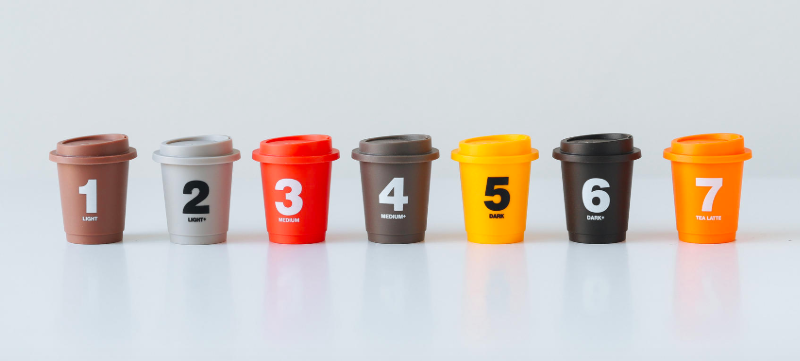
What do time-honored brands like coffee in the cross-border coffee market? Three and a half Yongpu Coffee characteristics of Sumitagawa Coffee
With the development of coffee industry, a large number of consumer groups have been accumulated in a short period of more than 20 years. There is no doubt that coffee has become one of the fastest growing beverage categories in recent years. From the monopoly of Nestl é instant coffee in the first wave of coffee to the opening of the first Starbucks on Chengfu Street in Beijing in the second wave of coffee in 1997, to Chinese mainland around 2010.

The relationship between coffee and wine
Legend has it that there was a leader named Omar. He and his entourage were banished to the desert. They were short of food and water, and they were about to starve to death. In desperation, he found a nameless fruit in the desert. Oma asked his followers to cook it into a pot of hot soup. The pot of hot soup saved their lives. Their lives are seen by residents living near the port of Mocha as a religious signal to commemorate the event.

Peruvian coffee farm coffee beans grow Peruvian coffee beans
In recent years, coffee producing countries no longer blindly pursue high output while neglecting quality. Many countries have begun to introduce a new coffee evaluation system in order to arouse the enthusiasm of producers and promote the production of fine coffee. For example, Brazil began to implement the Cup of excellence coffee rating system in 1999 in order to better subdivide boutique coffee. And boutique coffee has become

How to choose a coffee shop and analyze its location and region
Coffee shop location one: [campus] want to open their own small shop a lot of people, but the final success is very few, the vast majority is not able to pass the site selection, according to personal irresponsible statistics, there are plans to open a shop eventually due to site selection caused by the plan abortion accounted for more than 95%. With the rapid development of university industry in China, campus cafes not only blossom everywhere around the campus, but also change in the campus.

Deep roasting is the most suitable for the famous Peruvian coffee bean producing area, Yancha Mayou, Latin American boutique coffee.
Peru (Peru) aroma 3 bright 4.5 mellow 3 flavor 4 aftertaste 4 points suitable for baking degree: Full city/Espresso/Dark medium and deep roasting is the most suitable for Peruvian coffee beans, too shallow to show flavor and sweetness. Peruvian coffee is not common in the world before, and it is generally believed that its handling process is hasty, so the evaluation is poor, because it was previously monopolized by the state.

The origin of Ethiopian coffee
The secret of Ethiopian coffee beans: coffee was not originally called coffee. In Ethiopia, there is a province called Kafa province, which produces a kind of plant fruit, which has mellow, sweet, fruity, sour and bitter flavors, and has a refreshing and calming effect after eating. European colonists brought the plant to Europe when they plundered the African continent. At the same time, the Arab countries

Starbucks increases financing for coffee bean producers
Starbucks 'vice president said the company is investing heavily in expanding its range of businesses, breaking away from its previous model of focusing solely on store operations. Starbucks raised $146 million from coffee bean producers in 2010. In the coming years, the company also plans to invest in new coffee plantations and provide agricultural economics and technical support to coffee producers. Starbuck

Lucky coffee, crazy "burn money" to when?
Professional coffee knowledge exchange More coffee bean information Please pay attention to coffee workshop (Weixin Official Accounts cafe_style) In March this year Ruixing Coffee Binjiang Minghao Building store began trial operation, This is its first store in Hangzhou, As of today, Only 3 months, Its APP shows Hangzhou stores have 35, Almost every 3 days on average a new store rhythm, Fast distribution. than

In the mystery of coffee, Peter sat on the throne of the guru.
Pitt disdains Robasta and shallow roasted coffee. He is good at interpreting the aroma of Arabica in European style, setting off a whirlwind in San Francisco, but Pitt understands the shortcomings of re-baked beans that are not easy to keep fresh, and insists on not opening chain stores on the ground. as a result, quality and goodwill are preserved. At that time, there are many operators who are bent on imitating dogs and minks, and most of them miss the point, and it is difficult to taste bitter when baked.

In the mystery of coffee, Peter sat on the throne of the guru.
Pitt disdains Robasta and shallow roasted coffee. He is good at interpreting the aroma of Arabica in European style, setting off a whirlwind in San Francisco, but Pitt understands the shortcomings of re-baked beans that are not easy to keep fresh, and insists on not opening chain stores on the ground. as a result, quality and goodwill are preserved. At that time, there were a lot of operators who were bent on imitating dogs and minks, and most of them missed the point, and it was hard to taste bitterness when baked.

Ethiopian Coffee Origin Story Arabica Coffee Story Coffee Communication Roadmap
Professional Coffee knowledge Exchange more information about coffee beans Please follow the history of Arabica in the coffee workshop (Wechat official account cafe_style) in Ethiopia, where it originated in the 12th century, where more than 1000 kinds of Arabica grew. It is rumored that it was built by a goat farmer on a high mountain, but whether it is true or not, it soon became a national delicacy. To

The famous producing area of Peruvian coffee, Peruvian boutique coffee and South American coffee.
In 1721, French naval officer Gabriel Mathieu de Clieu went through difficulties and obstacles to bring the first coffee sapling from Africa to the Latin American island of Martinique, which was the origin of coffee cultivation in Latin America. Because France was under the Bourbon dynasty, there was another time for Arabica coffee grown in Latin America.
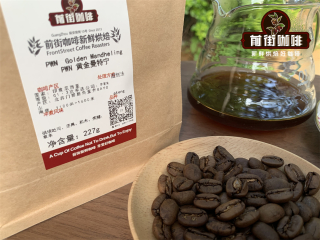
What kind of coffee does not taste bitter? does Mantenin taste sour or bitter?
When it comes to non-bitter coffee, the bean list of Front Street Coffee can list some of the following coffee, such as Blue Mountain Coffee from Jamaica, with an overall balance of flavor, and a Paradise Bird Coffee similar to the Blue Mountain flavor is from Papua New Guinea, Hawaii KONA Coffee, Costa Rican musician Coffee, Baja.

Peruvian coffee is high quality and balanced and can be used in mixed drinks
Coffee is high-quality and balanced and can be used for mixed drinks. Peru (Peru) is also a big coffee producer. Up to 98% of Peruvian coffee is grown in forest areas, and most producers are small farmers. Peru has good economic conditions and a stable political situation, thus ensuring the good quality of coffee. However, there are many local problems, in addition to guerrilla warfare and drug trafficking, in the 20th century

The three founding fathers of Starbucks are all apprentices of Bitz Alfred Peet, the godfather of boutique coffee.
Starbucks founder three veterans in 1978, Starbucks boss Howard? Schultz bought Starbucks, and the transformed Starbucks, which he leads, still regards Bitz as a spiritual leader. Even George, a master of shallow baking on the east coast of the country and one of the sponsors of the "extraordinary Cup" international boutique bean auction? George Howell, who was also an early believer in Bitz's re-roasted coffee, later
Demand for coffee in Europe began in the 17th century with charcoal coffee stoves
In the 17th century, demand for coffee emerged in Europe, and small quantities of roasted coffee beans began to be imported to Yemen. In the 18th century, coffee shops were everywhere in Europe, coffee consumption soared, and Yemeni mocha alone was no longer enough. It is estimated that Yemen's coffee bean production in 1970 was about 20,000 tons, which is already insufficient to meet the newly emerging European demand. Bean prices remain high,

The emergence of coffee demand in Europe began in the 17th century
In the 17th century, there was a demand for coffee in Europe and began to import small quantities of roasted coffee beans from Yemen. In the 18th century, with the fragrance of European cafes and the sharp increase in coffee bean consumption, the Yemeni mocha alone was no longer enough. It is estimated that the output of coffee beans in Yemen in 2007 ○○ is about 20, 000 tons, which is stretched to meet the rising demand of Europe. The price of beans is high and the port of Mocha is busy.

Coffee appreciation Handbook Indian monsoon coffee beans treated by monsoon
Throughout the process, we can see that the taste of a cup of coffee can not be determined by a single link. Only when each link is handled properly can a cup of delicious, smooth and fragrant coffee appear in front of coffee drinkers. On the other hand, if anything goes wrong, it will completely destroy a cup of coffee information from the Coffee appreciation Handbook.
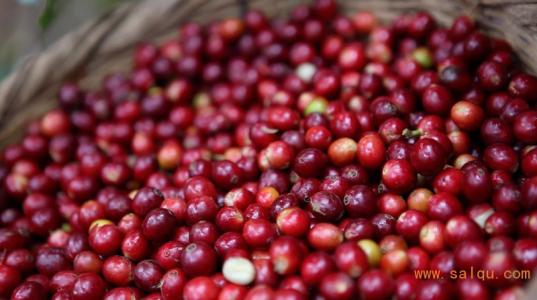
Domestic coffee has entered the fourth stage of the boutique era.
The first stage: Nestl é starts its day with a good day, influencing and transforming the way of life of Chinese people, so that more people can try and accept coffee. The second stage: Shangdao Cafe, advocating freshly ground coffee to make more people accept the original coffee, and expanding all over China with its chain business model. Shangdao Cafe opened more than 2600 coffee in mainland China at this stage.

Main characteristics of Yunnan Coffee beans introduction of washed coffee beans by Catimor in Baoshan, Yunnan
95% of the main varieties of coffee in China are Arabica (Tippika, Bourbon, Kaborn), and the main producing areas are Yunnan Province and Hainan Province. Yunnan coffee beans are mainly Arabica, with low acidity and nutty and grain aromas. Hainan coffee is dominated by Robusta, with soft acidity, rich taste and woody aroma. Yunnan